 ENGLISH
 اردو
اردو العربيةENGLISHاردوالعربية



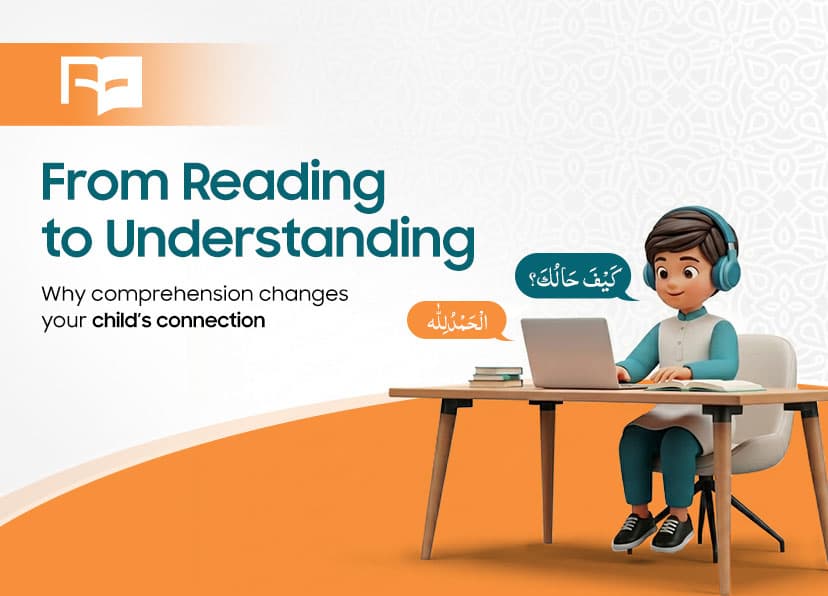
For many Muslims, learning to read the Quran is one of the first steps in their Islamic education. Children begin by recognizing Arabic letters, learning pronunciation, and applying Tajweed rules that ensure correct recitation of the Quran.

Memorizing the Quran, known as Hifz, is one of the most respected and spiritually rewarding achievements in Islam. A person who memorizes the entire Quran becomes a Hafiz, someone who preserves the words of Allah in their memory and heart.
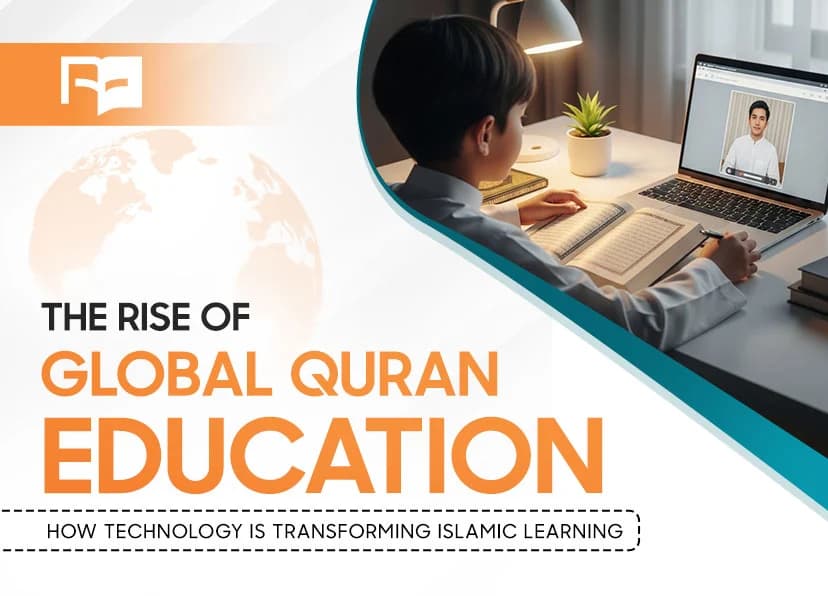
For centuries, Quran education has been a cornerstone of Islamic learning. Traditionally, students learned the Quran in mosques, madrasas, or through local scholars who guided them in recitation, memorization, and understanding of the sacred text.
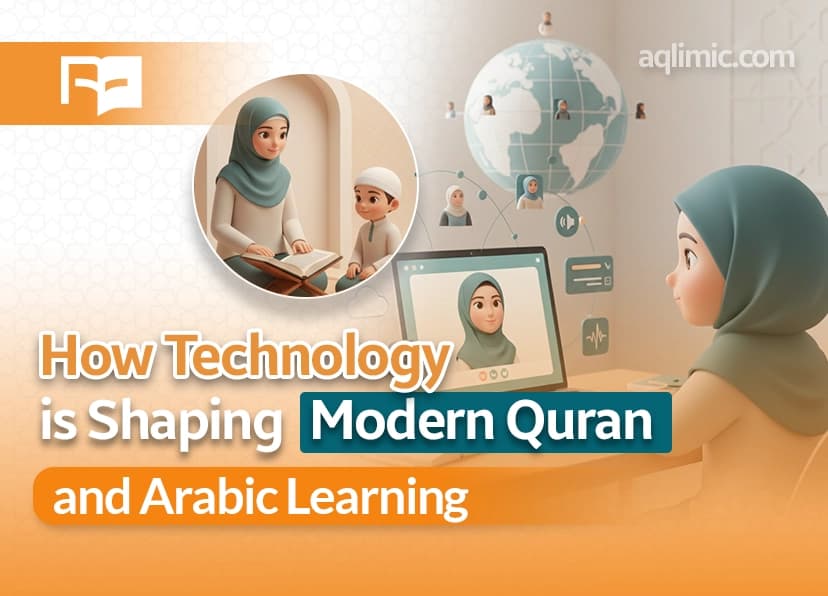
For centuries, Quran and Arabic education followed a familiar path. Students sat before teachers in mosques, madrasahs, or homes, learning through repetition, recitation, and close personal guidance.
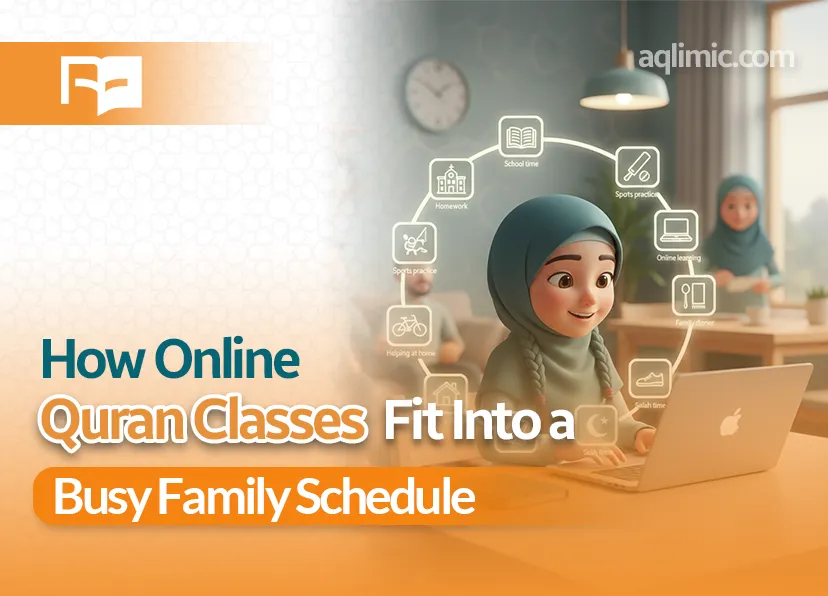
Modern family life is busy. School drop-offs, work deadlines, homework, meals, appointments, and the constant pull of screens often leave parents feeling stretched.
Living in the USA, UK, Canada, or Europe often means access to world-class education, technology, and opportunities. Yet for many Muslim families, one challenge quietly remains, how to ensure high-quality Quran education for themselves or their children.
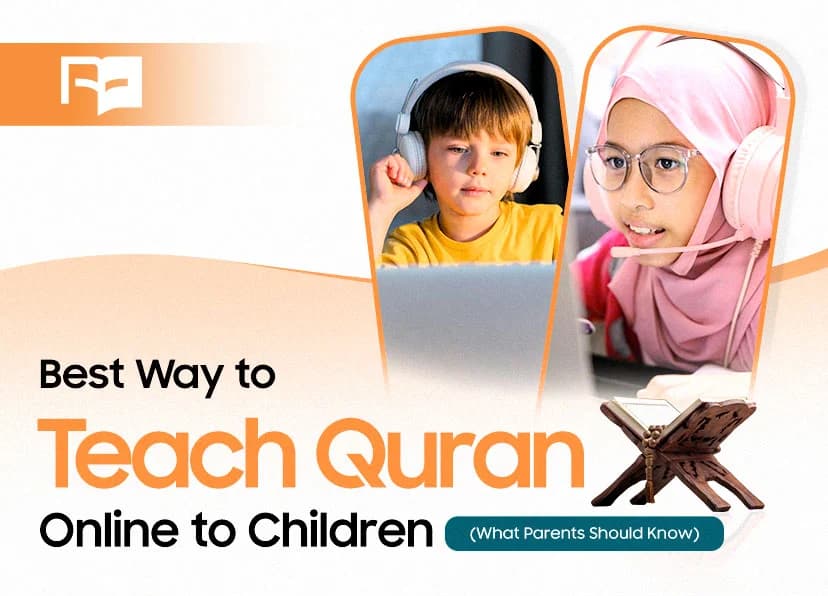
Teaching the Quran to children has always been a responsibility filled with love, patience, and intention. For generations, parents relied on local madrasahs, home tutors, or family elders to pass on Quranic knowledge.