





Table of Contents
For centuries, Quran and Arabic education followed a familiar path. Students sat before teachers in mosques, madrasahs, or homes, learning through repetition, recitation, and close personal guidance. This method built strong foundations and preserved tradition, but it also came with limitations related to time, location, and access.
Today, technology is reshaping how Quran and Arabic education is delivered across the world. What once depended entirely on physical presence can now happen across continents, time zones, and cultures.
This transformation is not about replacing tradition. It is about extending it. Technology has become a tool that supports access, consistency, and quality, especially for families and learners navigating modern life.
Let’s understand how technology is changing Quran and Arabic education, what that means for students and parents, and how online Quran classes are becoming a natural part of contemporary Islamic learning.
The Changing Landscape of Quran and Arabic Education
Modern life looks very different from the world in which traditional Quran education developed. Families are busier. Communities are more dispersed. Many Muslims live far from qualified teachers or structured Islamic institutions.
In this context, technology fills a growing gap.
Digital learning platforms, video communication, and interactive tools have made Quran and Arabic education accessible to learners who might otherwise struggle to find consistent instruction.
Instead of being limited by geography, learners can now connect with experienced teachers from anywhere in the world. Instead of rigid schedules, families can choose times that fit their daily routines.
This shift has allowed Quran education to grow alongside modern life rather than compete with it.
From Physical Classrooms to Digital Learning Spaces
The idea of a classroom has expanded.
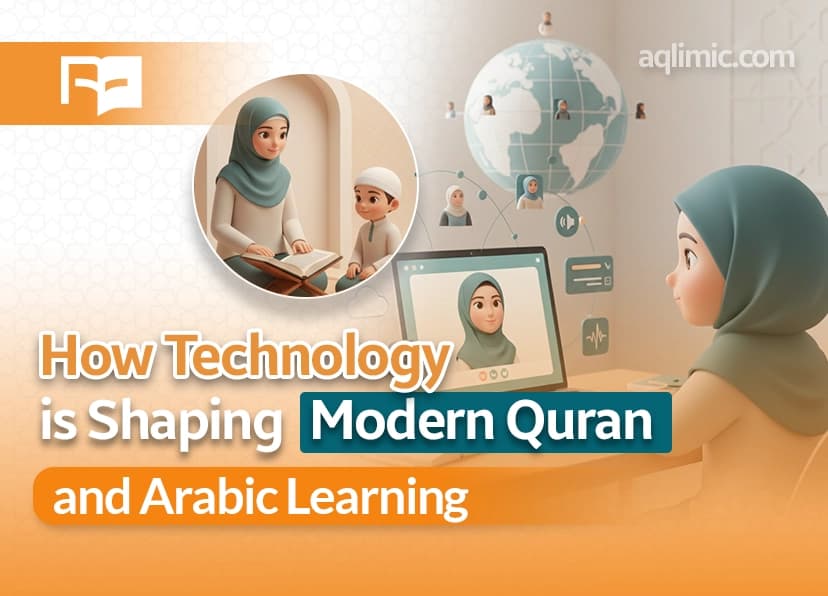
Today, a Quran lesson might take place in a quiet corner of a living room, with a teacher appearing on a screen rather than sitting across a table. While the setting has changed, the core elements of learning remain the same.
Students still recite. Teachers still correct. Discipline, patience, and repetition still guide progress.
What has changed is accessibility. Learners no longer need to travel long distances or adjust their entire day around fixed class times. Education meets them where they are.
This flexibility is one of the main reasons online Quran classes are becoming widely accepted across different age groups and communities.
Technology as a Bridge, Not a Barrier
One common concern is that technology might weaken the spiritual essence of Quran education. In practice, the opposite is often true.
When used thoughtfully, technology removes distractions rather than creating them. It reduces logistical stress and allows learners to focus on recitation, understanding, and consistency.
A child who learns from home feels safe and relaxed. An adult learner feels less self-conscious. Parents feel more involved.
Technology acts as a bridge between intention and action, helping learners stay connected to the Quran despite busy schedules and modern demands.
Live Interaction Preserving the Teacher Student Relationship
A key factor in effective Quran education is the relationship between teacher and student.
Modern technology supports this relationship through live video sessions. Teachers can listen carefully, correct pronunciation immediately, and adapt lessons based on the learner’s pace.
This real-time interaction preserves the personal guidance that has always been central to Quran learning.
Unlike pre-recorded videos, live online sessions allow for dialogue, encouragement, and accountability. Students remain active participants rather than passive listeners.
This approach ensures that online Quran classes maintain the human element that makes learning meaningful.
Enhancing Tajweed and Pronunciation Through Digital Tools
Tajweed requires precision. Small pronunciation errors can change meanings, which makes accurate guidance essential.
Technology supports Tajweed learning through clear audio, focused repetition, and visual aids. Teachers can slow down recitation, demonstrate mouth positioning, and repeat sounds as many times as needed.
Screen sharing and digital whiteboards allow teachers to highlight letters, rules, and articulation points. Recorded sessions allow students to revisit lessons and reinforce learning.
In many cases, students receive more focused Tajweed correction online than they would in large physical classes.
Supporting Arabic Language Learning Through Technology
Arabic education goes beyond Quran recitation. Understanding vocabulary, grammar, and sentence structure deepens connection to the Quran.
Technology allows Arabic learning to become more interactive. Visual explanations, pronunciation practice, and contextual examples support comprehension.
Learners can practice reading, listening, and speaking in a structured way. Teachers can adjust methods based on whether a student is a beginner, heritage learner, or advanced student.
Technology enables Arabic education to move at the learner’s pace rather than forcing everyone into the same mold.
Flexibility That Fits Modern Family Life
One of the most significant benefits of technology is flexibility.
Families today juggle school, work, activities, and responsibilities. Fixed schedules and travel requirements often disrupt consistency.
Online Quran classes adapt to family routines rather than demanding families adapt to them. Lessons can be scheduled before school, after work, in the evening, or on weekends.
This flexibility helps families remain consistent, which is essential for long-term learning.
Consistency builds discipline. Discipline builds confidence. Confidence builds connection with the Quran.
Expanding Access for Muslims Around the World
Technology has made Quran education truly global.
Muslims living in areas with limited Islamic resources now have access to qualified teachers. New Muslims can learn without fear or pressure. Children growing up in non-Muslim environments can stay connected to their faith.
Geography no longer determines opportunity.
This global access has strengthened Islamic education by bringing diverse teaching experiences and learning styles together.
Platforms that prioritize structure, accessibility, and quality reflect this shift. One example of a modern approach to digital Quran and Arabic education can be explored at Aqlimic.
Such platforms focus on combining traditional values with modern delivery.
The Role of Parents in a Technology Enabled Learning Model
Technology does not replace parental involvement. It enhances it.
Parents can observe lessons, communicate with teachers, and track progress more easily. They can support practice at home and encourage consistency without needing to manage logistics.
Parents become partners in the learning process rather than distant observers.
This involvement strengthens motivation and reinforces the importance of Quran education in daily life.
Adult Learners and Lifelong Education
Technology has also opened doors for adult learners.
Many adults carry a desire to improve their Quran recitation or Arabic understanding but feel limited by time, confidence, or past gaps in education.
Online learning offers privacy, flexibility, and personalized pacing. Adults can learn without comparison or embarrassment.
This has led to a rise in lifelong Quran education, where learning continues beyond childhood.
Technology reminds learners that it is never too late to return to the Quran.
Maintaining Discipline and Focus in a Digital Environment
One concern with online learning is distraction.
Successful programs address this by keeping sessions structured and focused. Clear expectations, consistent schedules, and simple interfaces reduce distractions.
Parents can support focus by creating quiet learning spaces and limiting unrelated device use during class time.
Discipline in online learning comes from routine and intention, not from physical presence alone.
Safety, Trust, and Digital Responsibility
As technology becomes part of religious education, safety and trust become essential.
Reputable platforms prioritize secure communication, privacy protection, and professional teaching standards. Transparency builds confidence for parents and learners alike.
Clear policies, parental access, and respectful conduct ensure that digital Quran education remains safe and trustworthy.
Technology should serve faith with responsibility.
Measuring Progress in a Technology Driven Model
Progress in Quran and Arabic education is not only about speed.
Technology allows teachers to track performance, provide feedback, and adjust lessons. Parents can see improvement in pronunciation, confidence, and consistency.
Digital tools support reflection and revision rather than rushed advancement.
True progress is measured by understanding, accuracy, and connection.
Preserving Tradition While Embracing Innovation
The transformation of Quran and Arabic education through technology does not mean abandoning tradition.
It means preserving what matters while adapting how it is delivered.
Respect for the Quran, discipline in learning, and sincerity of intention remain unchanged. Technology simply provides new pathways to uphold these values in a changing world.
Innovation becomes a servant of tradition, not a replacement.
The Future of Quran and Arabic Education
As technology continues to evolve, Quran and Arabic education will likely become even more accessible, personalized, and global.
Artificial intelligence, adaptive learning tools, and improved communication platforms may further enhance learning experiences.
However, the heart of Quran education will remain the same. Teacher guidance. Student effort. Parental support. Spiritual intention.
Technology will shape the method, but faith will guide the purpose.
Final Thoughts
Technology is not transforming Quran and Arabic education by changing its essence. It is transforming it by removing barriers.
Through accessibility, flexibility, and thoughtful design, online Quran classes have become a meaningful extension of traditional learning.
For families, students, and educators navigating modern life, technology offers a way to stay connected to the Quran without compromise.
The challenge is not whether to use technology. It is how to use it wisely.
