





Table of Contents
Introduction
For centuries, Quran education has been a cornerstone of Islamic learning. Traditionally, students learned the Quran in mosques, madrasas, or through local scholars who guided them in recitation, memorization, and understanding of the sacred text. These environments played a vital role in preserving the Quran and passing its teachings from generation to generation.
However, the modern world has introduced new challenges and opportunities in education. Today, Muslim families live across different countries and cultures, often far from traditional centers of Islamic learning. In many regions, access to qualified Quran teachers is limited, and parents struggle to find consistent and structured Quran education for their children.
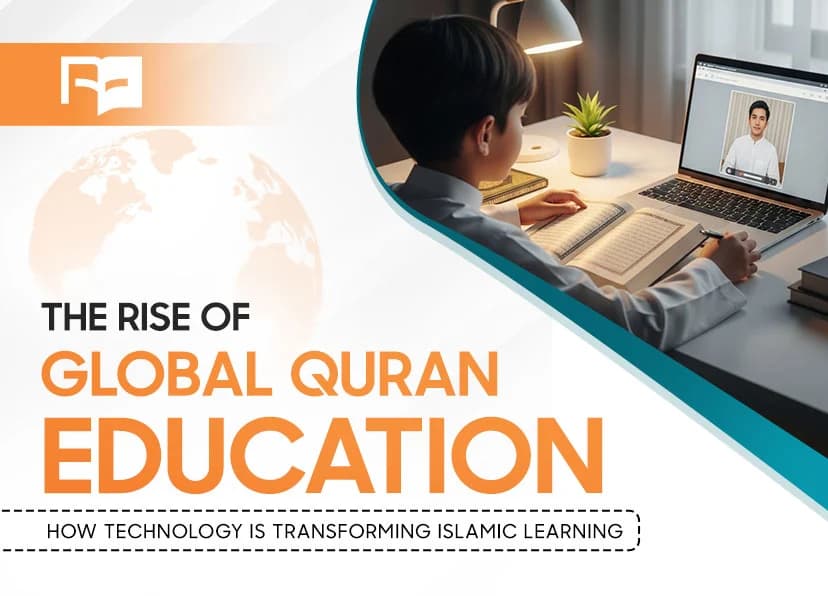
As technology continues to reshape the way people learn and communicate, a new model of Quran education has emerged. Online platforms now allow students to learn Quran online from qualified teachers regardless of location. This shift has contributed to the rapid growth of global Quran education, making it possible for Muslim families worldwide to access structured Quran learning programs.
Online Quran classes have become an increasingly popular solution for parents who want their children to develop strong recitation skills, understand Quranic teachings, and maintain a meaningful connection with their faith.
The Traditional Model of Quran Education
For many generations, the traditional method of learning the Quran involved attending a local madrasa or mosque where students gathered to study under a teacher. This environment provided discipline, community interaction, and spiritual guidance.
Students typically began their Quran education by learning the Arabic alphabet, pronunciation rules, and Tajweed. Once they developed the ability to read fluently, they gradually progressed toward memorization or deeper understanding of the Quran.
While this system has successfully educated millions of students throughout history, it also has certain limitations in the modern world. Families today face busy schedules, long commuting distances, and limited access to experienced Quran teachers in many regions.
These factors have led many parents to explore alternative ways to ensure their children receive consistent Quran education.
Challenges Faced by Muslim Families Worldwide
Muslim families living in countries where Islamic institutions are not widely available often experience difficulties in maintaining regular Quran education for their children.
One of the most common challenges is limited availability of qualified teachers. Many parents want their children to learn Quran recitation with proper Tajweed, but finding experienced instructors in certain areas can be difficult.
Another challenge involves scheduling conflicts. Children often have busy school schedules, homework, and extracurricular activities. Traditional madrasa classes may not always align with these schedules, making consistent attendance difficult.
Travel is another factor that affects Quran learning. Parents may need to drive long distances to reach mosques or Islamic centers, which can be time-consuming and inconvenient.
These challenges have created a growing demand for more flexible and accessible Quran education solutions.
How Technology Is Transforming Quran Education
Advances in technology have made it possible for education to move beyond physical classrooms. Online learning platforms now allow students and teachers to interact in real time through video communication tools and virtual learning environments.
Online Quran classes use these technologies to create structured learning experiences where students can receive direct guidance from experienced teachers.
During online lessons, teachers listen carefully to students’ recitation, correct pronunciation errors, and explain Tajweed rules. Many platforms also include digital tools such as shared screens, virtual whiteboards, and lesson tracking systems that enhance the learning process.
These technological innovations have made it easier than ever for students to learn Quran online while maintaining the quality and discipline of traditional instruction.
Accessibility and Global Reach
One of the most significant benefits of global Quran education is accessibility. Students who previously had limited access to Quran teachers can now learn from qualified instructors located in different parts of the world.
This global connection allows families to choose teachers who specialize in specific areas of Quran education, such as Tajweed, memorization, or Quranic Arabic.
Students living in countries with small Muslim communities can now receive the same quality of Quran instruction as those living near major Islamic centers.
This accessibility has helped thousands of families ensure that their children remain connected to Quran education regardless of geographic location.
Personalized Learning Experiences
Another major advantage of online Quran classes is the ability to provide personalized learning experiences.
Traditional classroom settings often involve multiple students learning together, which can limit the amount of individual attention each student receives.
Online learning environments frequently offer one-on-one sessions, allowing teachers to focus entirely on a single student’s progress.
This personalized approach allows teachers to identify mistakes quickly, adapt lessons to the student’s learning pace, and provide targeted guidance to improve recitation and memorization.
Students often benefit greatly from this focused attention, leading to faster improvement and stronger confidence in their Quran recitation.
Flexibility for Modern Lifestyles
Modern families often juggle multiple responsibilities, including work, school, and extracurricular activities. Online Quran education provides the flexibility needed to integrate Quran learning into busy schedules.
Lessons can be arranged at convenient times, whether early in the morning, after school, or during weekends. This flexibility helps students maintain consistent learning habits without disrupting other commitments.
For many parents, this adaptability makes online Quran classes a practical solution that supports both academic and religious education.
Parental Involvement in Quran Learning
Online Quran education also encourages greater parental involvement. Many learning platforms provide progress reports that allow parents to monitor their child’s development.
Parents can track improvements in recitation, memorization progress, and lesson completion. This transparency helps families remain actively involved in their child’s Quran education.
When parents understand how their child is progressing, they can provide additional encouragement and support at home.
The Growing Popularity of Online Quran Classes
Over the past decade, the number of families choosing online Quran education has increased significantly. This growth reflects a broader shift toward digital learning across many educational fields.
Parents are increasingly recognizing the benefits of structured online learning environments that combine traditional Islamic teaching methods with modern technology.
The ability to connect students with experienced teachers worldwide has made online Quran education a valuable resource for Muslim communities everywhere.
The Future of Global Quran Education
As technology continues to evolve, global Quran education will likely continue expanding and improving. Educational platforms are constantly developing new tools that make learning more interactive and engaging.
Future innovations may include advanced progress tracking systems, interactive Quran learning tools, and improved virtual classroom environments.
These developments will further strengthen the ability of students to learn Quran online while maintaining the spiritual and educational values of traditional Quran instruction.
Conclusion
The rise of global Quran education represents an important transformation in the way Quran learning is delivered in the modern world. By combining traditional teaching methods with digital technology, online Quran classes have made Quran education more accessible, flexible, and personalized.
Students can now learn from qualified teachers regardless of location, maintain consistent learning schedules, and receive individualized guidance that supports their progress.
As more families embrace online Quran education, this approach will continue to play a vital role in helping Muslim communities preserve and strengthen their connection with the Quran for generations to come.
